
Prepare Your Diving Gear for Winter with Confidence
Discover essential winterizing tips from the UK Dive Store Technical Team to protect and maintain your diving equipment.

Protect Your Regulator and Electronics
Learn how to thoroughly clean and store regulators and dive computers to prevent freezing and corrosion during cold months.

Maintain Your Drysuit and Buoyancy Devices
Follow expert guidance on preserving seals, zippers, and inflators to ensure your drysuit and BCD stay functional and reliable.

Optimize Equipment Storage and Care
Get practical advice on proper storage conditions and routine inspections to extend the lifespan of your diving gear.
Winterizing Your Diving Gear with Confidence and Care
Explore essential winter preparation steps to protect your diving equipment and ensure peak performance all season.
Regulator Maintenance Tips
Learn how to clean and store your regulator properly to prevent freezing and extend its lifespan during winter months.
Drysuit and Electronics Care
Discover best practices for drying, sealing, and preserving your drysuit and dive electronics through cold weather.
Proper Storage and Inspection
Ensure your buoyancy devices and other gear are stored correctly to avoid damage and prepare for your next dive season.
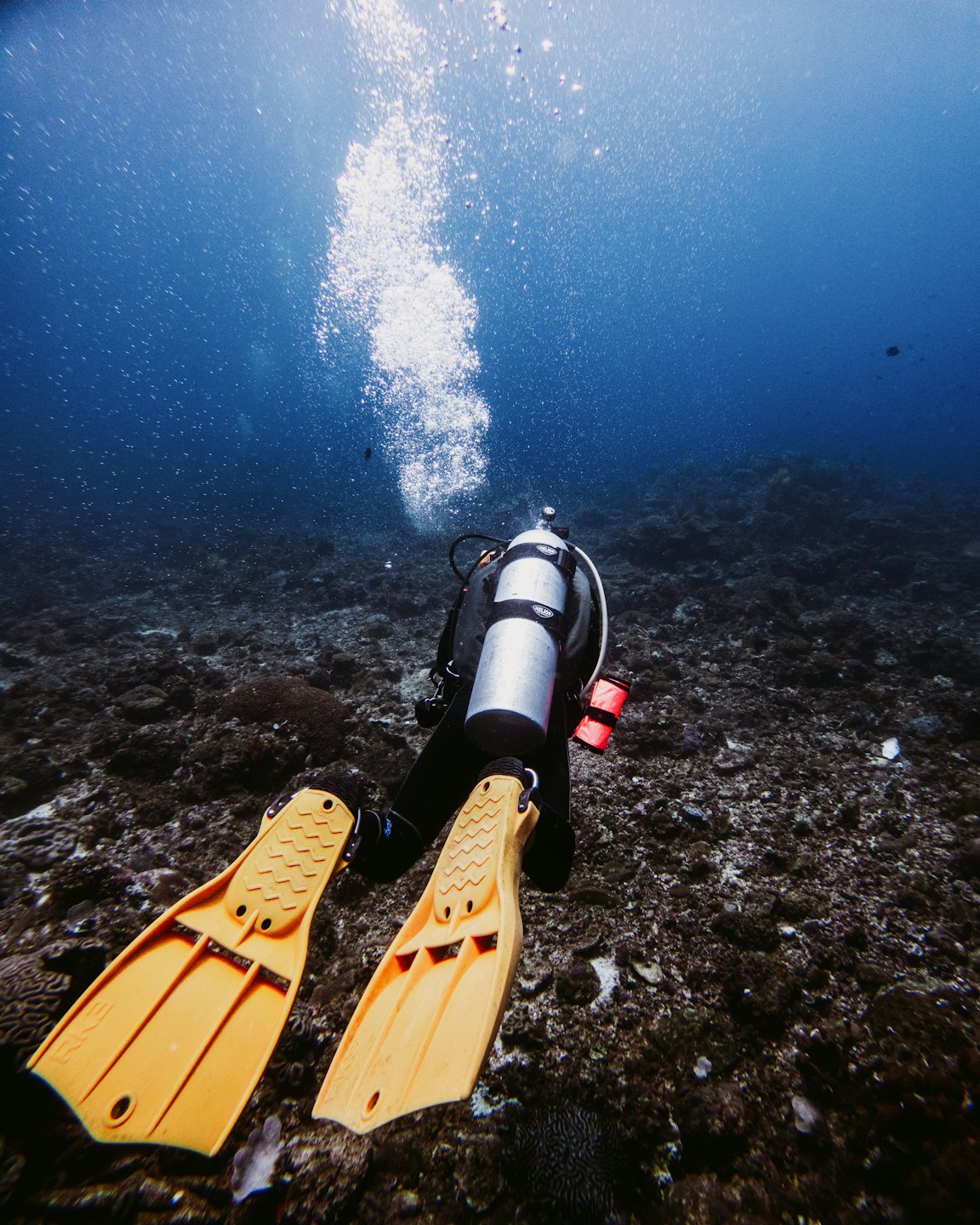
Winterize Your Diving Gear Effectively
Explore expert advice from our UK Dive Store team on protecting and maintaining your dive equipment through winter.

Regulator Care
Understand how to clean and store your regulator to prevent damage during cold months.
Drysuit Maintenance
Learn key steps to preserve seals and fabrics, ensuring your drysuit stays in top condition.
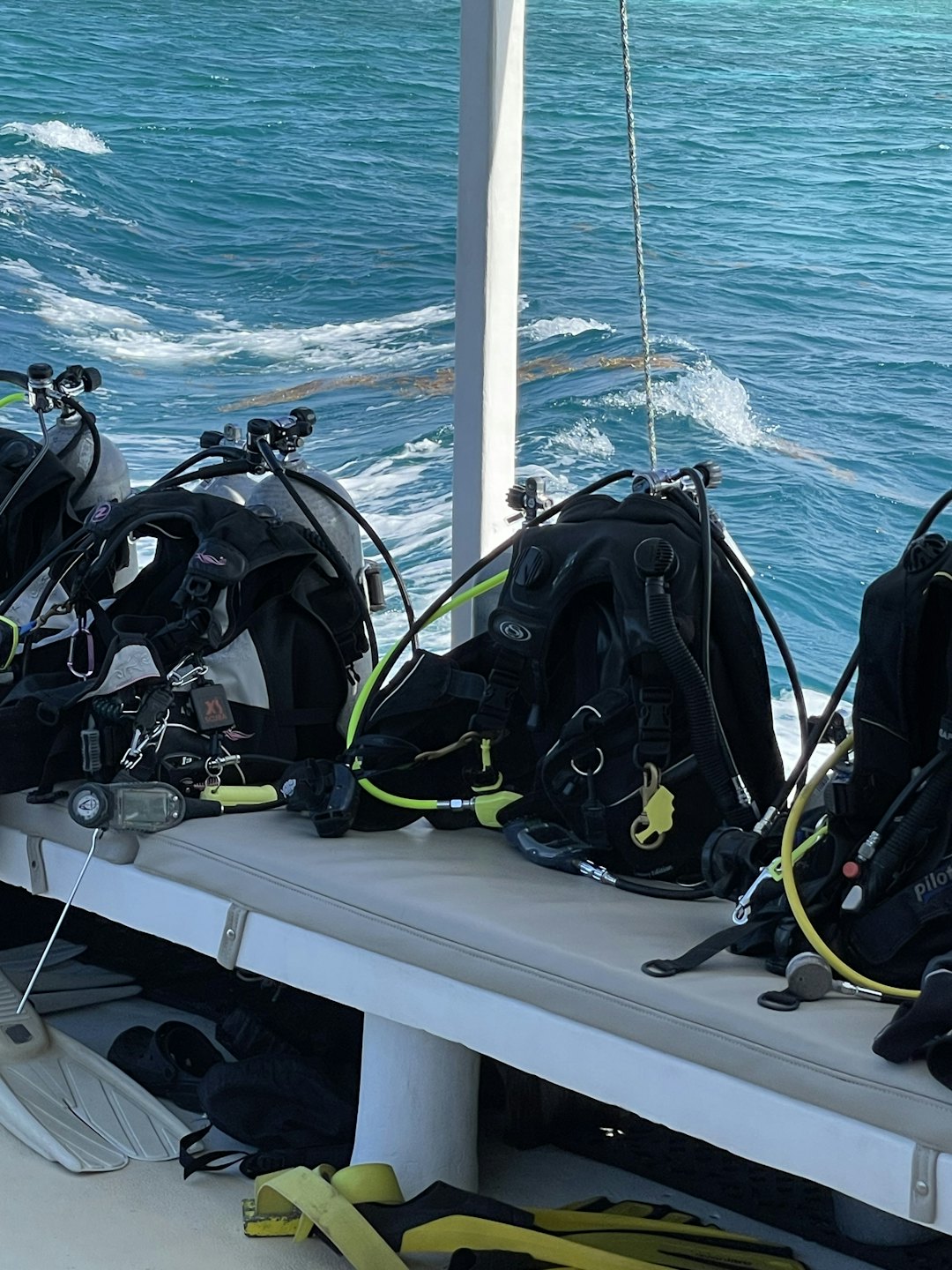
Gear Storage Essentials
Find out the best practices for storing your entire setup safely until your next dive season.
Winterize Your Diving Gear with Confidence
Discover essential steps to protect your diving equipment during the colder months.
Regulator Care
Learn how to properly clean and store your regulator to prevent freeze damage.
Drysuit Maintenance
Tips on sealing, drying, and preserving your drysuit for winter storage.
Electronics Preservation
Guidance on safeguarding dive computers and other electronics from moisture.
BCD Storage
Best practices for rinsing, inflating, and storing your buoyancy control device.
Winterizing Your Gear
Don’t Let Your Kit Hibernate Wet.
By the UK Dive Store Technical Team
The clocks have gone back. The evenings are dark. For some, the drysuit is getting hung up until Easter. For the hardcore, the “real” season of crisp winter diving is just beginning.
Regardless of whether you are hibernating or diving through the frost, this is the most critical time of year for your equipment.
The UK environment is uniquely aggressive. It isn’t just water; it is a cocktail of salt, silt, grit, and dampness. If you toss your gear into the garage after that last dive in October and forget about it, a silent chemical warfare begins. Salt corrosion never sleeps. It creeps into chrome, eats away at brass, and rots rubber.
Come Spring, you won’t just have a stiff regulator; you could have a life-support failure waiting to happen.
This guide is your mechanic’s manual. It is designed to save you hundreds of pounds in repair bills and, more importantly, ensure that when you hit the water—whether it’s next week or next April—your gear works as flawlessly as you do.
Part 1: The Regulator – The Heart of the System
Your regulator is a precision instrument machined to tolerances of fractions of a millimetre. It is also the item most vulnerable to the “Green Death”—Verdigris (copper carbonate), caused by salt reacting with chrome and brass.
1. The “Summer Tune” vs. The “Winter Reality”
This is a technical nuance often missed. Regulators are set to a specific Intermediate Pressure (IP). This is the pressure delivered from the first stage to the second stage. In warm water, a slightly higher IP might make a regulator feel “breathe-y” and high performance. In 4°C water, that same setting is a recipe for disaster.
- The Physics: Cold thickens the lubricants (O-ring grease) and stiffens the diaphragm materials. It also increases the density of the air.
- The Risk: If your IP is drifting high, or set aggressively for summer performance, the extra stiffness in winter can prevent the valve from sealing instantly between breaths. This microscopic leak causes the gas to expand, cooling the mechanism further, leading to a snowball effect that ends in a catastrophic freeflow.
- Action: If you are diving this winter, get a technician to check your IP. We often detune winter regs slightly to ensure absolute stability in freezing conditions.
2. The Sintered Filter
Unscrew your first stage dust cap. Look at the inlet (where it connects to the tank). You will see a small, porous metal cone or disc. This is the sintered filter.
- Check: Is it bright silver/gold? Or is it dull, green, or grey?
- Danger: If it is discoloured, salt moisture has entered your first stage. This cannot be “cleaned” from the outside. The corrosion is likely already inside the high-pressure seat.
- Action: Book a service immediately. Do not store it.
3. Hose Protectors: The Silent Killer
Those rubber sleeves at the end of your hoses? They are salt traps. Water gets underneath them and never dries.
- Action: Pull them back. You will likely find a ring of white salt and green corrosion. Clean this with a soft toothbrush and warm water. If the metal swage of the hose is heavily corroded, the structural integrity of the hose is compromised. Replace the hose.
Part 2: The Drysuit – Your Shelter
A drysuit is likely your most expensive single item. It is also made of organic materials (rubber, latex) that degrade over time.
1. The Zipper: The £250 Mistake
A brass drysuit zipper is a chain of metal teeth embedded in rubber tape. If left damp and salty, the teeth oxidise and seize. Forcing a seized zip snaps the teeth. A replacement zip costs upwards of £200.
- The Wax Protocol: Don’t just rub wax on the outside. Close the zip. Rub beeswax or specific zip wax vigorously into the teeth. Open the zip. Repeat on the inner teeth.
- Storage: Store the zip OPEN (unless specified otherwise by the manufacturer, but generally, open relieves strain on the closing mechanism). Avoid bending the zip sharply.
2. Valves: The Salt Crystal Trap
Your auto-dump valve contains a sensitive spring and a rubber mushroom valve.
- The Issue: Saltwater dries into cubic crystals. These crystals are sharp. If they form on the seating surface of your dump valve, the valve cannot seal. You will have a wet shoulder on your next dive.
- The Fix: Flush your valves with fresh, warm water. Operate the mechanism (push the button, twist the dial) while submerged in fresh water to dissolve internal crystals.
3. Latex Rot and Ozone
Latex seals hate three things: UV light, Oils, and Ozone.
- Oils: The natural oils from your neck and wrists degrade latex, turning it into a sticky goo. Wash your seals with mild soapy water (fairy liquid is fine) to remove skin oils before storage.
- Ozone: Electric motors (like the one in your washing machine, fridge, or garage drill) emit ozone. Ozone eats latex. Do not store your drysuit in the garage next to the chest freezer.
- Talc: Dust your completely dry seals with pure talc (unscented) to prevent them sticking together.
Part 3: Electronics – The Brains
Modern diving is battery-dependent. Cold weather is the enemy of voltage.
1. The Vampire Drain
Even when turned “off,” most dive computers and lights have a tiny parasitic drain on the battery.
- Alkaline Leakage: If you use AA or AAA batteries (in backup lights), remove them. Alkaline batteries are prone to leaking corrosive acid when left for months, which will destroy the internal contacts of your torch.
- Li-Ion Chemistry: Rechargeable batteries hate being stored empty, and they hate being stored 100% full for months. Store them at roughly 50-60% charge in a cool (but not freezing) place.
2. Cold Voltage Drop
If you are winter diving, be aware that a battery that reads “70%” in your warm kitchen might read “Low Battery” the moment you jump into 5°C water.
- Physics: Chemical reactions slow down in the cold. The battery cannot deliver the current fast enough, causing the voltage to sag.
- Action: Charge fully the night before a winter dive. Don’t trust a battery that hasn’t been charged since September.
Part 4: BCDs and Wings – The Buoyancy
We rinse the outside, but we forget the inside.
1. Bladder Rot
Moisture condenses inside your BCD bladder from the air in your tank and water entering via the dump valves. This warm, dark, damp environment is a breeding ground for bacteria and fungus (bladder rot).
- The Test: Inflate your BCD orally. Let some air out and smell it. If it smells like a damp cellar or old cheese, you have fungal growth. This can degrade the inner lining.
- The Fix: Use a sterilising solution (Milton fluid or specific BCD cleaner). Pour it into the bladder via the inflator hose. Inflate. Swish it around to coat all internal surfaces. Drain and rinse thoroughly.
2. The Inflator Mechanism
The Schrader valve (the shiny button you press to add air) is prone to sticking if salt crystals form. A sticking inflator results in an uncontrolled ascent—one of the most dangerous events in diving.
- Action: Soak the entire inflator unit in warm fresh water. Press the buttons repeatedly underwater to flush out salt. Apply a tiny amount of silicone grease to the nipple where the hose connects.
Part 5: Cylinders – The Heavy Metal
Steel cylinders are bombproof, right? Wrong.
1. The Boot of Doom
Most steel tanks have a plastic boot on the bottom. This boot traps water, salt, and grit against the steel.
- The Risk: Crevice corrosion. The steel rots silently underneath the plastic. We have failed countless cylinders at testing due to deep pitting here.
- Action: Take the boot off. It might be stiff. Use warm water to soften the plastic. Clean the steel underneath. Dry it thoroughly before putting the boot back on.
2. Internal Moisture
If you ever drained a tank completely empty, moisture may have entered.
- Action: If a tank is empty, keep the valve closed. Ideally, store cylinders with at least 30-50 bar of pressure inside. This positive pressure prevents damp atmospheric air from entering the cylinder.
Part 6: The Storage Environment
Finally, where you store your gear matters as much as how.
The Garage (The Enemy) Garages in the UK are typically damp, uninsulated, and filled with fumes (car exhaust, paint thinners, ozone from freezers).
- Damp: Promotes mould on BCDs and rust on tools.
- Fumes: Exhaust fumes and chemical vapours can chemically attack silicone and rubber.
The Spare Room (The Ideal) Your gear wants to be:
- Dry: Low humidity.
- Dark: UV light destroys colour and degrades neoprene.
- Stable Temperature: Away from radiators (which dry out rubber) and frost.
The Winter Checklist Summary
Before you close the door on your kit this winter, tick these off:
- [ ] Regulator: Sintered filter checked for green corrosion.
- [ ] Regulator: Hoses cleaned under protectors.
- [ ] Drysuit: Zips waxed (inner and outer teeth).
- [ ] Drysuit: Seals washed of oils and talced.
- [ ] Drysuit: Valves flushed with fresh water.
- [ ] Computers/Torches: Alkaline batteries removed.
- [ ] Rechargeables: Charged to 50% for storage.
- [ ] BCD: Internally sterilised and rinsed.
- [ ] Cylinders: Boots removed and cleaned. Stored with pressure.
Is your gear due a service? Winter is the perfect time to send your regulators and cylinders to the UK Dive Store Service Centre. Beat the Spring rush. If you send them to us in December or January, you’ll be ready to dive the moment the weather breaks.
[Book Your Service Here]
This guide is provided by UK Dive Store. Safe diving starts with reliable gear.

Prepare Your Gear for Winter
Discover essential tips and expert advice on winterizing your diving equipment to keep it safe and ready.