

Essential Care Tips for Your Diving Gear
Discover expert advice on maintaining your scuba equipment, ensuring durability and peak performance in the demanding UK diving conditions.

Protect your drysuit zipper with regular lubrication and gentle cleaning to prevent corrosion.
Rinse regulators thoroughly with fresh water after every dive to remove salt and grit buildup.
Store wetsuits in a cool, dry place away from direct sunlight to avoid material degradation.
Clean and dry diving accessories carefully to extend their lifespan and maintain safety.
Care and Maintenance
Discover essential tips and detailed guidance to properly care for your scuba gear, ensuring durability in the UK’s demanding aquatic environment.

Step One: Drysuit Zipper Care
Begin by cleaning and lubricating your drysuit zipper regularly to prevent corrosion and ensure smooth operation, vital for UK’s salty, gritty waters.

Step Two: Regulator Hygiene
Next, thoroughly rinse and dry your regulator after every dive to remove salt and moisture that can impair performance and longevity.

Step Three: Wetsuit and Storage
Finally, wash your wetsuit with fresh water and dry it in shade before storing in a cool, dry place to maintain flexibility and prevent mildew.
Essential Care Tips
Explore comprehensive guidance on maintaining your scuba gear, specifically designed for the demanding UK diving conditions, to ensure optimal performance and durability.

Drysuit Zipper Care
Learn how to properly clean and lubricate your drysuit zipper to prevent corrosion and extend its lifespan.

Regulator Maintenance
Understand the best practices for rinsing, storing, and servicing your regulator after dives in saltwater and cold environments.

Wetsuit & Accessories
Discover effective cleaning methods for wetsuits, boots, and gloves to keep your gear fresh and free from damage.
Master the Essentials of Gear Care
This section describes the key features briefly.
Drysuit Zipper Maintenance
Learn expert tips to keep your drysuit zipper smooth and corrosion-free.
Regulator Cleaning Guide
Step-by-step instructions for thorough regulator hygiene after UK dives.
Wetsuit Washing Techniques
Effective methods to clean and preserve your wetsuit from salt and grit.
Optimal Storage Solutions
Best practices for storing gear to combat dampness and extend lifespan.
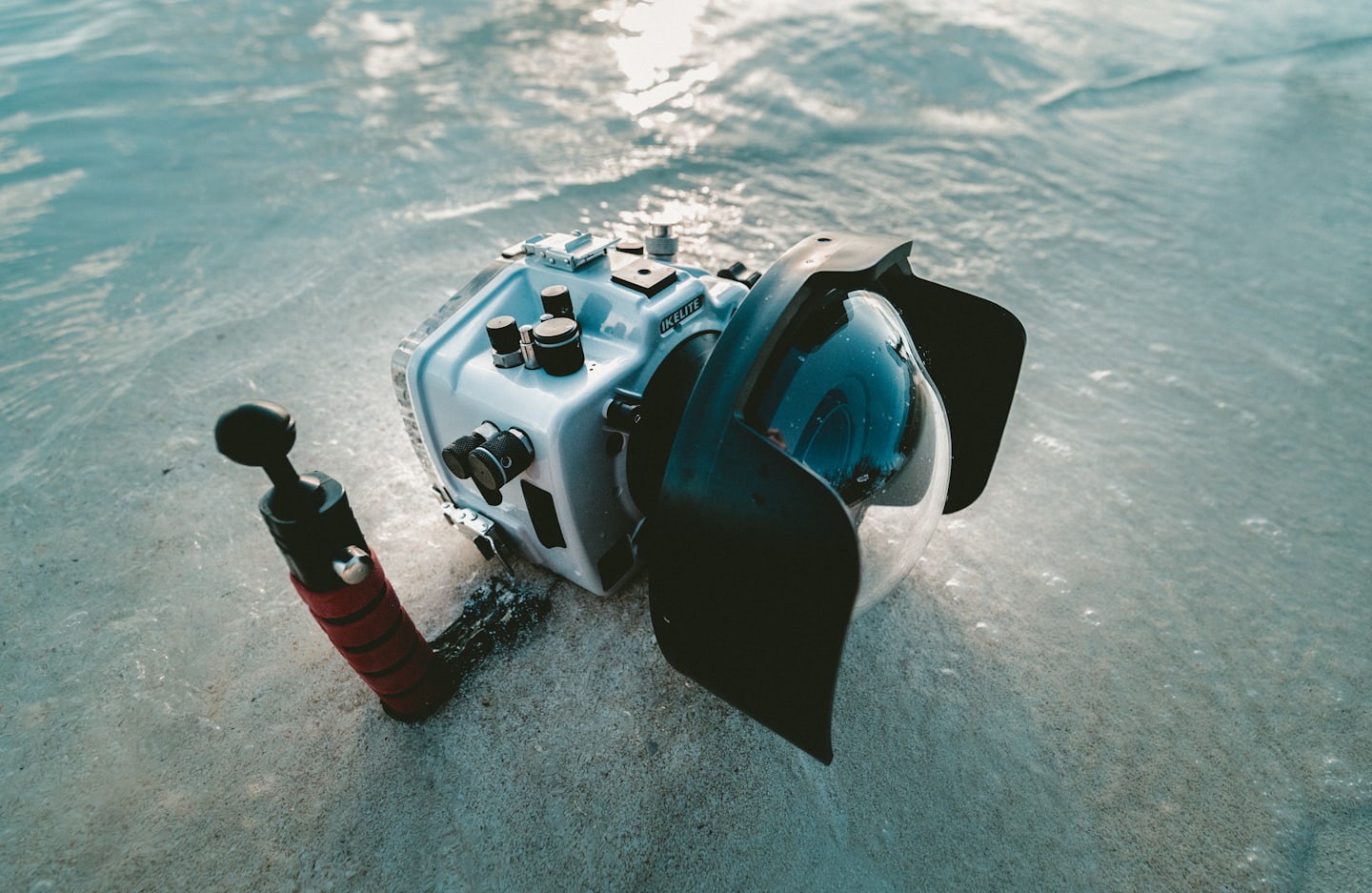
Based on the focus on extending gear life in harsh UK environments, here is the structured content for the Care & Maintenance section.
The UK Garage Guide: Bulletproofing Gear Against Salt, Grit, and Rot
Diving in the UK is an equipment-intensive sport. Between the abrasive silt of inland quarries and the corrosive salinity of the North Sea, your gear is under constant attack.
Standard maintenance guides assume you are rinsing off sand in a warm breeze. This guide assumes you are washing off quarry mud in a dimly lit garage while trying to prevent your drysuit from molding during a damp winter.
1. The £300 Mistake: Drysuit Zipper Care
The single most common (and expensive) failure in UK diving is the drysuit zip. Salt crystals act like jagged rocks, and quarry grit acts like grinding paste.
- The Toothbrush Rule: Never wax a dirty zip. You are simply trapping the grit in the wax, creating a grinding compound that wears out the teeth.
- The Routine:
- Open the zip completely.
- Scrub the teeth with a soft toothbrush and mild soapy water to remove dried mud and salt.
- Rinse thoroughly.
- Wax only the outer docking area (for brass zips) or use the specific lubricant stick (for plastic YKK zips) after it is dry.
- Storage Warning: Leave the zip open (for brass) or closed (for plastic) according to manufacturer spec, but never fold the suit so the zip is bent tightly.
2. Regulator Hygiene: Stopping the Free-Flow
In 4°C water, a regulator doesn’t freeze because of the water temperature alone; it freezes because internal moisture acts as a seed for ice crystals.
- The “Dust Cap” Danger: The #1 cause of internal corrosion is rinsing the regulator without the dust cap dried and securely in place. If water enters the first stage filter, it will rust the sintered filter and lead to freezing/failure.
- Rinse Under Pressure: The safest way to wash a regulator is while it is pressurized on a cylinder. This ensures no water can enter the first stage.
- The Quarry soak: Quarry silt is fine and sticky. A quick spray with a hose isn’t enough. Submerge the second stages in warm fresh water for 1 hour to dissolve the silt that jams the exhaust diaphragms.
3. Fighting “Garage Rot”: Storage in a Damp Climate
Most UK divers store kit in the garage. The combination of cold and damp is a recipe for hydrolysis (where rubber crumbles) and mold.
- Airflow is King: Never leave kit in a plastic tote box or a kit bag if it is even slightly damp. It will rot.
- Hang it High: Use heavy-duty hangers (or coat hangers taped together).
- Note: Avoid thin wire hangers; they cut into the neoprene neck seal and shoulder material over time.
- Vermin Defense: Drysuit seals and silicone hoses are delicacies for mice. If you must store gear in a garage, hang the suit inside a garment bag after it is fully dry, or place smaller rubber items in a sealed plastic tub.
4. Exorcising the “Wetsuit Funk”
That “diver smell” is bacteria living in the fabric of your undersuit and neoprene boots.
- The Enzyme Solution: Detergent removes dirt, but it doesn’t kill the bacteria deep in the neoprene pores.
- The Protocol: Once every few dives, soak your boots, gloves, and undersuit in a tub with an enzyme cleaner (like Mirazyme or Sink the Stink). Do not rinse it off; let it air dry. The enzymes eat the organic matter that causes the smell.
- The Boot Dryer: Crumpled newspaper stuffed into wet boots is the most effective low-tech way to draw out moisture in a cold garage.
5. Quarry Mud vs. North Sea Salt
- Salt: Invisible but chemical. It requires dissolving. Soaking is better than spraying.
- Quarry Mud: Physical and abrasive. It requires mechanical removal. You must use a hose with decent pressure to blast the grit out of velcro tabs (pockets) and inflator quick-disconnects. If you don’t, that grit will eventually jam your inflator button open.
Dive Deeper with UK DIVE STORE
Discover expert tips and exclusive advice on maintaining your diving gear for UK waters.