
Master Drysuit Packing for Ultimate Protection
Discover essential techniques to fold and pack your drysuit correctly, ensuring its seals and zippers remain safe during transport.

Protect Zippers and Seals
Learn how proper folding methods guard your drysuit’s delicate zippers and seals, extending its lifespan and maintaining performance.

Tailored Packing Techniques
Understand the specific rules for different zipper materials and how to handle each to avoid damage during packing.

Layering Gear Wisely
Gain insights on organizing your dive gear in transport boxes to prevent compression and protect your drysuit.
Drysuit Packing Process
Discover expert techniques to fold and pack your drysuit properly, ensuring its zipper and seals remain protected during transport.

Step One: Preparing Your Drysuit
Begin by thoroughly rinsing and drying your drysuit, then inspect the zipper and seals to ensure they are clean and intact before folding.

Step Two: Folding Techniques
Learn the correct folding methods tailored to your drysuit’s zipper type to prevent damage and maintain durability during storage.

Step Three: Packing for Transport
Layer your drysuit carefully with other gear in your transport box, placing soft items near zippers and seals to safeguard against pressure and abrasion.
Master the Art of Drysuit Packing
Discover essential tips to safely fold and pack your drysuit.
Zipper Protection Guidelines
Learn how to handle different zipper types to prevent damage.
Step-by-Step Folding Method
Follow our expert folding technique to preserve seals and material.
Layering Gear for Transport
Organize your equipment to avoid pressure and wear during travel.
Seal Care Tips
Understand how to maintain your drysuit seals for longevity.
Packing Box Arrangement
Arrange your dive gear efficiently to prevent damage in cases.
The Logistics of Mud: Transporting Gear in the UK
Top Tips: Packing a Drysuit for Transport
The most expensive item in your kit bag is also the most vulnerable to “crush damage.” Throwing a 3kg steel backplate on top of a plastic drysuit zipper is a £250 mistake.
Here is the professional method for folding and packing a drysuit to ensure the zip and seals survive the journey.
1. The “Open or Closed?” Rule
This is the most common error divers make. The rule depends entirely on your zipper material.
- Metal (Brass) Zippers: Transport OPEN.
- Why? Metal teeth are rigid. If you close the zip and then fold it, the tension on the outer rubber sealing element can cause it to crack or delaminate. Leaving it open relieves the stress.
- Plastic (YKK/TiZip) Zippers: Transport CLOSED.
- Why? Plastic teeth rely on a tight interference fit to seal. If left open, the sealing lips are exposed to dirt, grit, and crushing. Closing it protects the sealing surfaces and keeps the teeth aligned.
2. The “Concertina” Fold (Step-by-Step)
Never just stuff a drysuit into a bag. You must control where the bends happen.
- Lay Flat: Lay the suit face down (for back entry) or face up (for front entry) on a clean surface. The zipper should be facing UP so it is on the outside of the fold, not crushed on the inside.
- The “Knee to Chest” Fold: Fold the boots/legs up until the knees are touching the chest area.
- The Tuck: Fold the arms inwards across the chest. Crucial: Tuck the wrist seals inside the sleeves. This protects the latex from snagging on the zipper or bag mesh.
- The Roll: Roll the suit loosely from the bottom (boots) up towards the neck.
- The Result: You end up with a bundle where the zipper is curved gently on the outside, not creased flat.
3. Loading the Box: The “Heavy-Light” Hierarchy
When loading your rigid plastic box or roller bag, gravity is your enemy.
- Base Layer: Fins, Backplate, Cylinder Bands, Lead Weights. (The uncrushable heavy items).
- Middle Layer: Regulators (in a padded bag), Mask box, Accessories.
- Top Layer:The Drysuit.
- Why? The drysuit acts as a lid. It cushions the gear below, but more importantly, nothing heavy is pressing down on the zipper.
4. Seal Defense
- Latex Seals: Before leaving the house, give them a light dusting of unscented talc. This acts as a dry lubricant, preventing the latex from sticking to itself and ripping when you unroll it at the site.
- Neoprene Seals: Ensure they are not folded flat with a sharp crease. If possible, stuff a clean sock or a small foam roller inside the neck seal to keep it round during transport.
💡 Pro Tip: The “Zip Guard”
If you have a metal back entry zip, it is vulnerable to being crushed by the boot of your car or other boxes.
- The Hack: Buy a short length (50cm) of foam pipe insulation (lagging) from a DIY store.
- The Use: Slip it over the open zipper teeth before you fold the suit. It creates a “bumper” that prevents the teeth from being smashed if something heavy lands on your bag.
Master the Art of Drysuit Packing
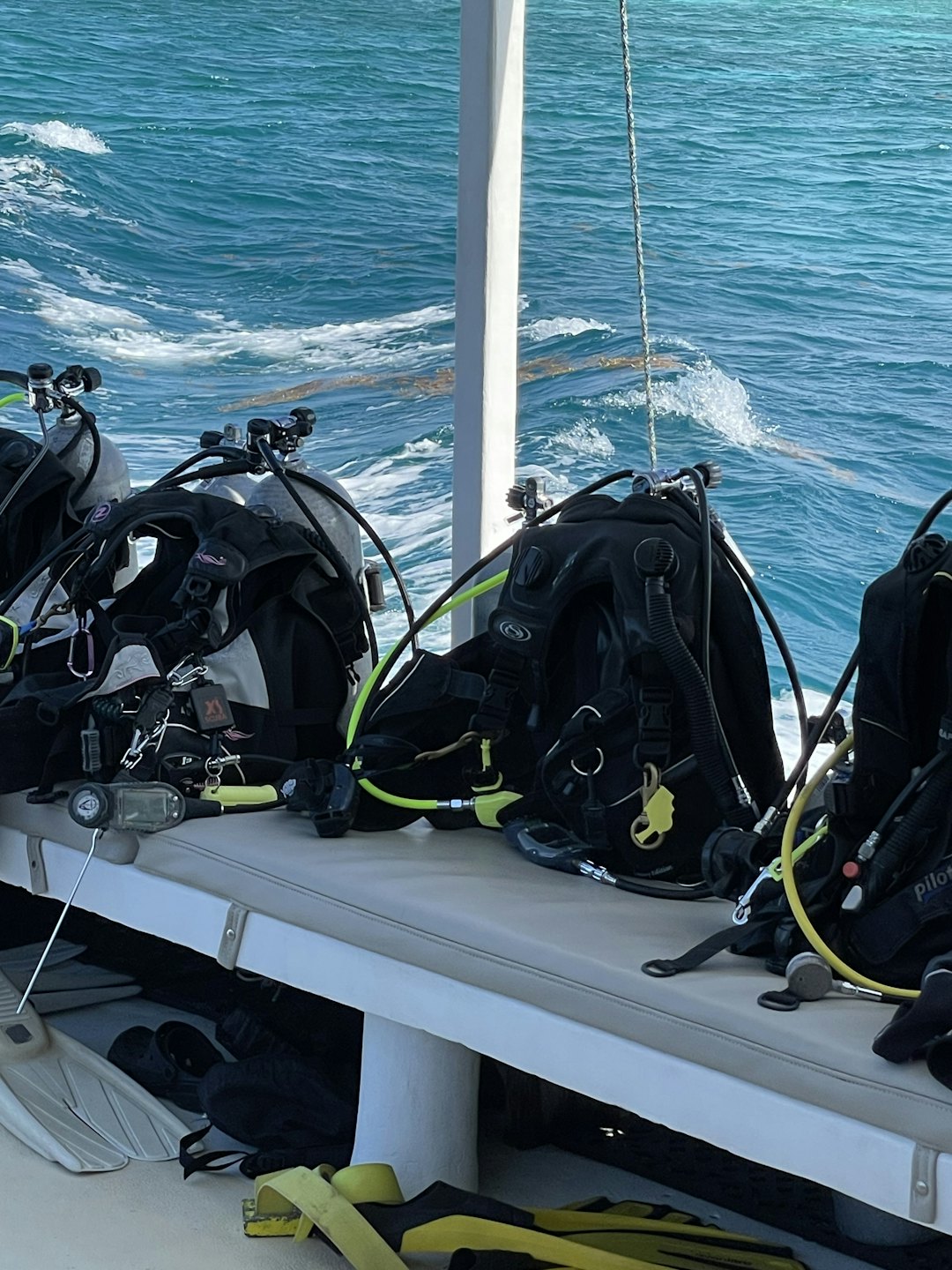
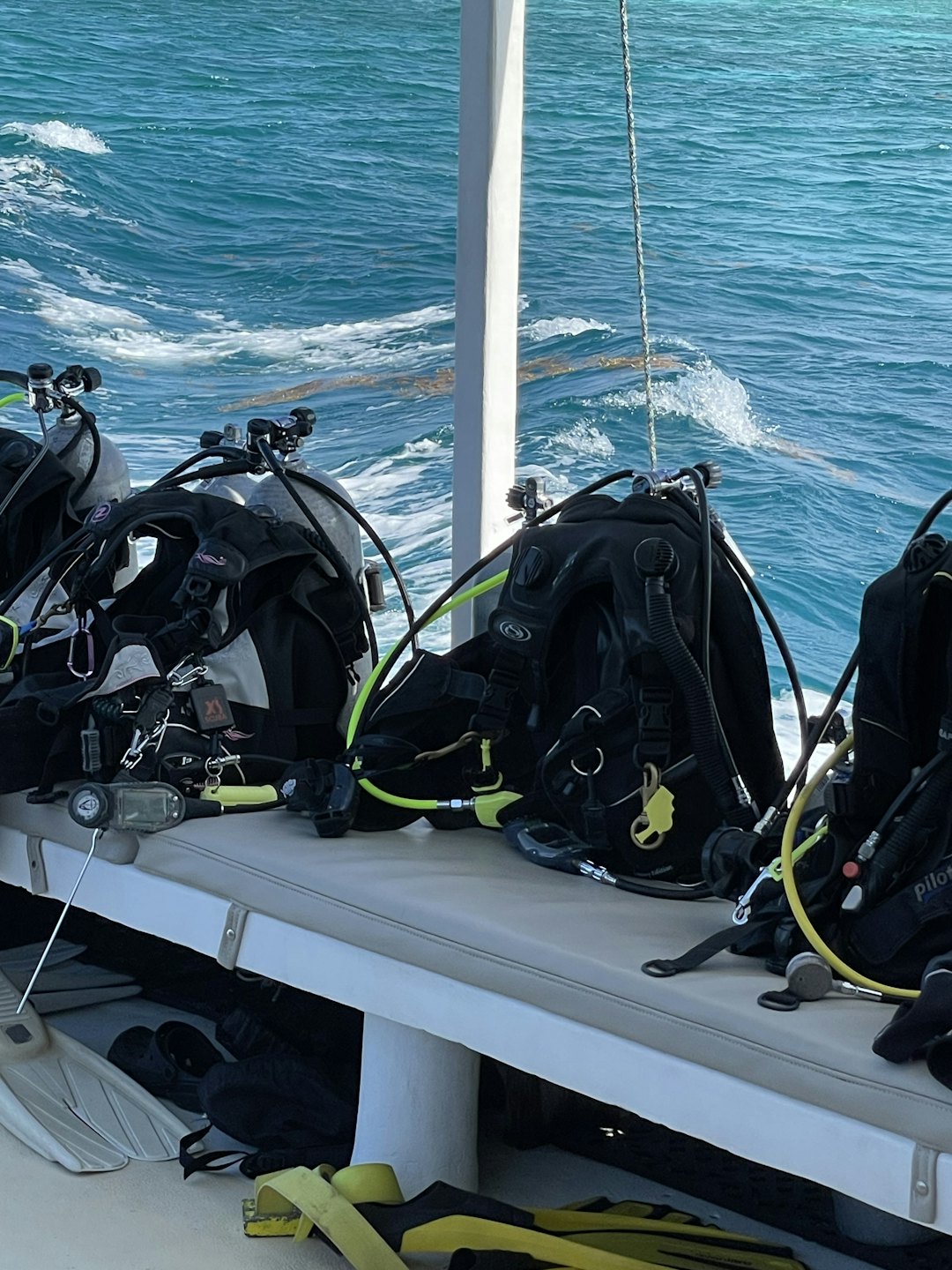
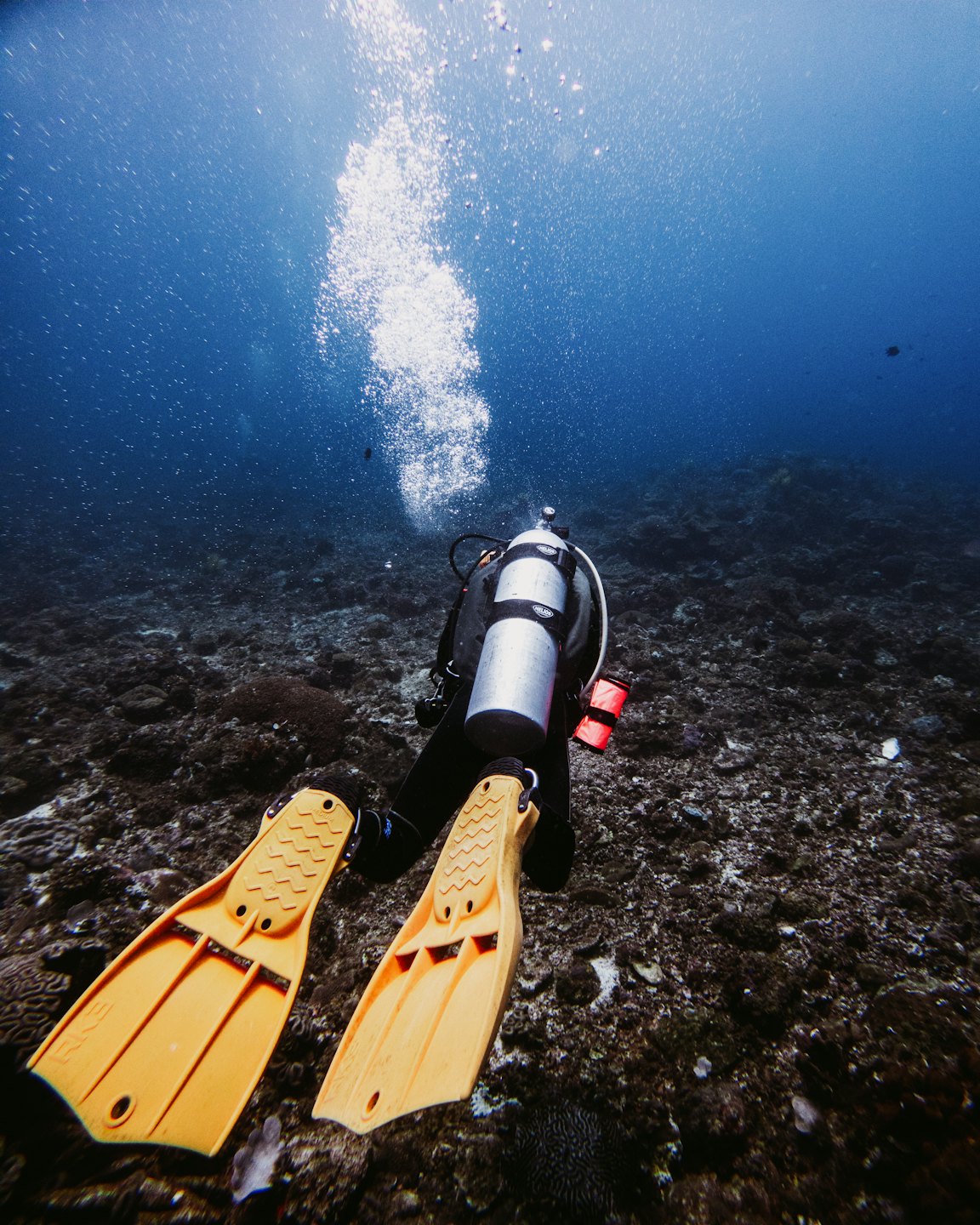
Discover expert tips and images demonstrating the proper techniques to fold and protect your drysuit during transport.



Master Drysuit Packing Today
Discover expert tips to safeguard your drysuit during travel and enhance your dive experience.