Dive Into the BCD vs. Drysuit Debate
Unpack the pros and cons of buoyancy control in UK cold-water diving.

Understanding Drysuit Buoyancy
Learn why drysuits alone pose risks in winter diving conditions.
Advantages of BCD Use
Discover how BCDs provide quick and reliable buoyancy control.
Hybrid Approach Benefits
Explore safe techniques combining drysuits with BCDs underwater.
Myths vs. Facts
Debunk common misconceptions about insulation and air volume.
Navigating the BCD vs. Drysuit Debate for UK Cold-Water Divers
Understanding Drysuit Buoyancy Limits
Explore why relying solely on drysuits for buoyancy in winter dives can pose risks, especially with heavy steel cylinders in UK waters.
The Role of BCDs in Emergency Control
Learn how buoyancy control devices offer efficient and reliable adjustments during unexpected situations underwater.
Safe Hybrid Buoyancy Strategies
Discover practical guidance on combining drysuits and BCDs to maintain warmth, stability, and precise buoyancy control.
The Heavy Lifters: BCDs for UK Steel & Cold Water
Top Tips: Mastering the Drysuit vs. BCD Debate
In UK diving, this is the most contested topic on the boat. Old-school divers often teach “suit only,” while tech divers preach “wing only.”
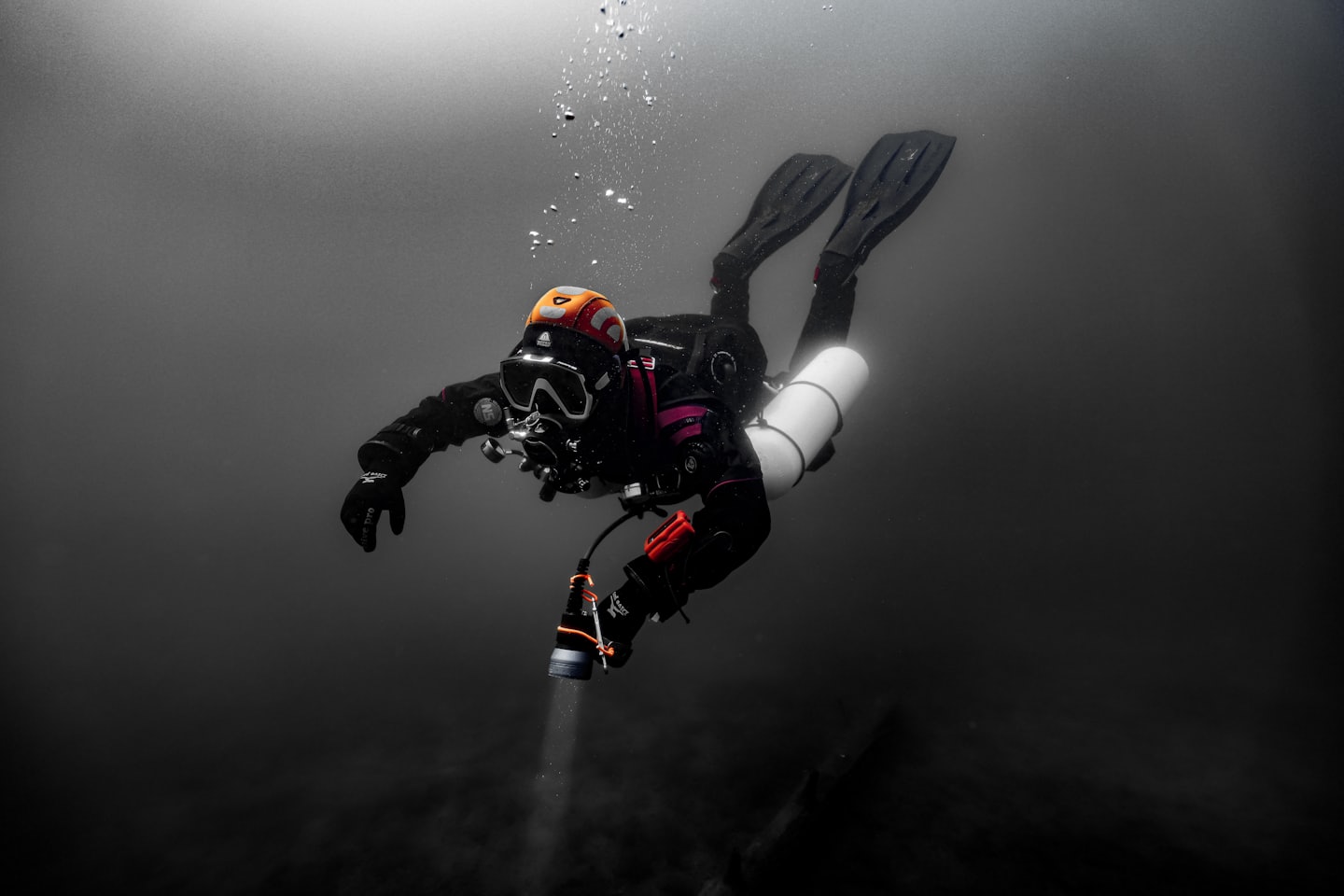
For modern cold-water diving with heavy steel cylinders, the hybrid approach is the only safe option. Here is why relying solely on your drysuit for buoyancy in winter is a dangerous habit.
1. The “Michelin Man” Effect (Why Suit-Only Fails in Winter)
In summer, with a thin undersuit and 8kg of lead, you might get away with using just the suit. In winter, with a 400g undersuit and 14kg of lead, the volume of air required to make you neutral is massive.
- The Problem: If you put all that gas into your suit, you become stiff and rigid (like the Michelin Man). You cannot reach your valves, your movement is restricted, and the air migrates aggressively to your feet the moment you drop out of trim.
- The Fix: Use the drysuit only to remove the squeeze (and keep the undersuit lofted for warmth). Use the BCD wing to hold the heavy lift of the lead/tank. This keeps the suit comfortable and the air bubble manageable.
2. Dump Speed: Wing vs. Suit
- The Physics: A BCD vent valve is at the highest point of your back and dumps air instantly. A drysuit shoulder valve requires you to roll your body and lift your arm—a slow, complex movement.
- The Emergency: If you start an uncontrolled ascent from 20m, you can dump a wing in 2 seconds. You cannot dump a ballooned drysuit fast enough to stop a Polaris missile ascent.
3. The “Insulation” Myth
Some divers argue: “More air in the suit = Warmer.”
- The Reality: Warmth comes from the loft of your undersuit, not the volume of free-flowing air. Once the squeeze is off and the undersuit is fluffed up, adding more air does not make you warmer; it just makes the air circulate, actually pulling heat away from your body (convection).
4. The Correct Protocol for UK Dives
- Descent: Vent the wing. As you feel the squeeze, add a squirt to the suit.
- Bottom: You are now heavy (suit squeeze is gone, but you are carrying lead/steel). Add air to the wing to become neutral.
- Ascent: Dump the wing to control your ascent speed. Leave the suit alone until the very end (or if it starts venting automatically).
- Result: You are stable, warm, and have instant control over your buoyancy.
Explore the BCD vs. Drysuit Debate
Dive into the crucial discussion on buoyancy control in UK cold-water diving, highlighting risks and practical safety tips for managing drysuit and BCD use with heavy steel cylinders.
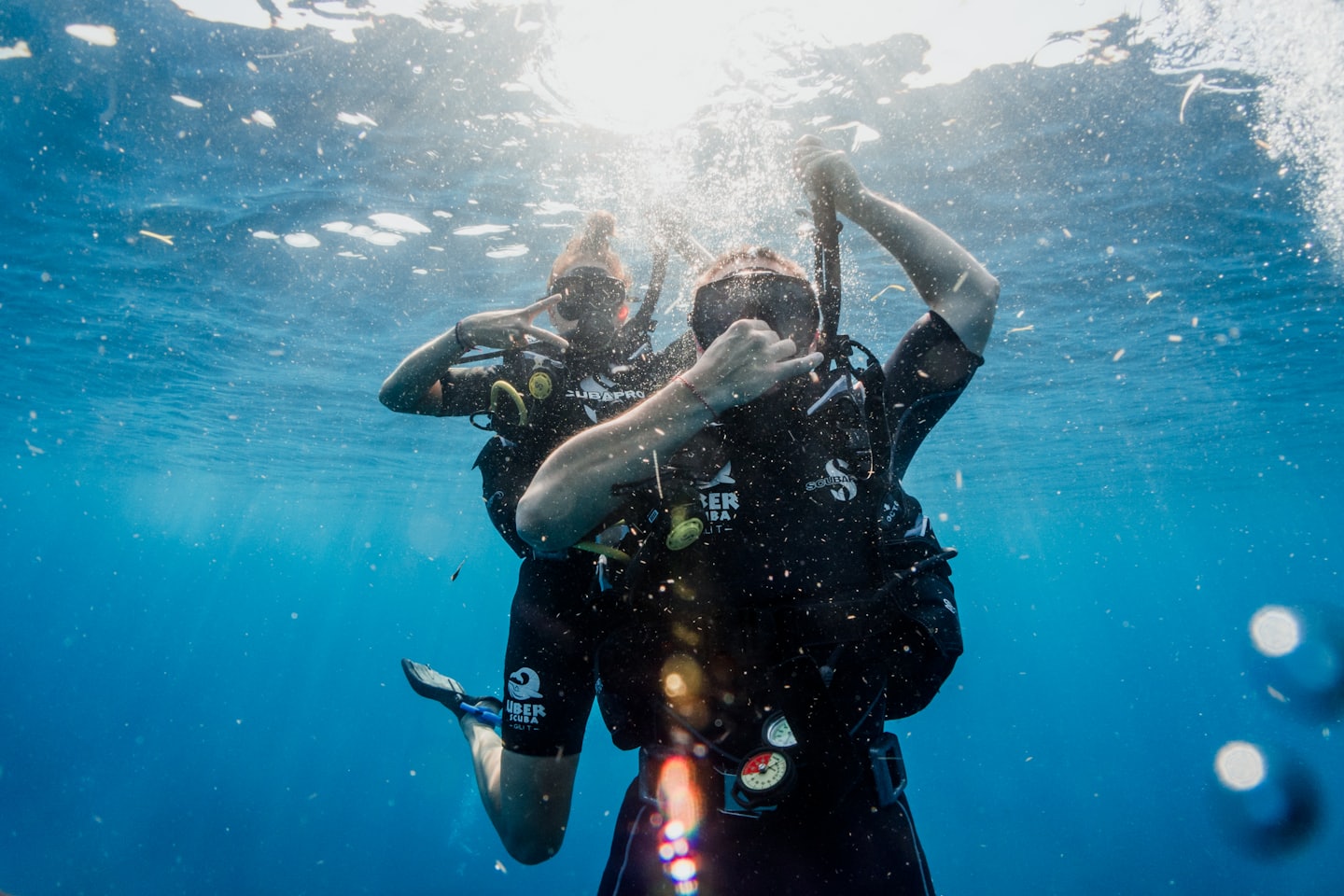
Drysuit Limitations
Understand why relying solely on drysuits for buoyancy in winter can compromise safety and warmth underwater.
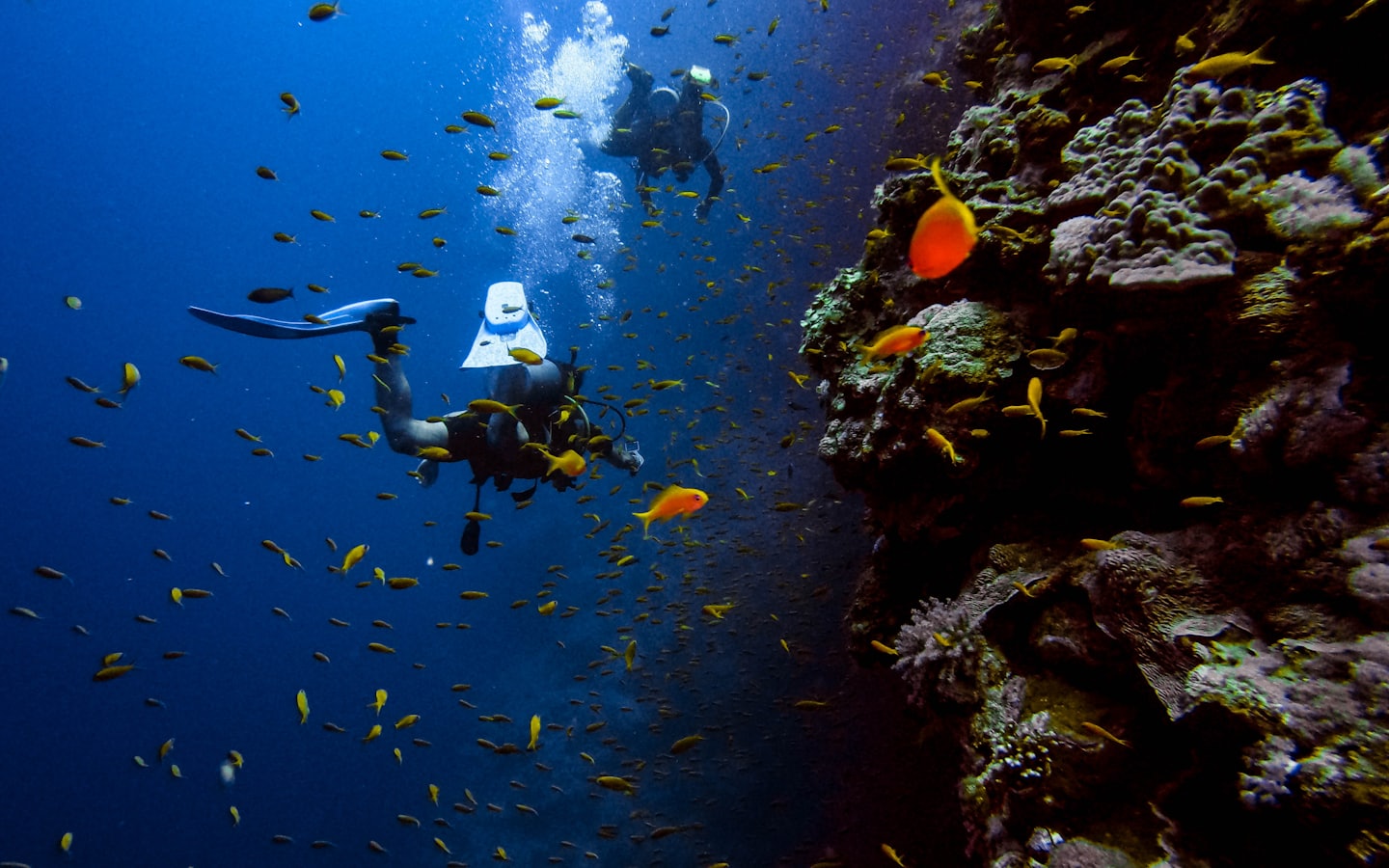
BCD Advantages
Discover how BCDs offer efficient buoyancy control and emergency options in cold-water diving scenarios.

Hybrid Approach
Learn practical methods to combine drysuit and BCD buoyancy for optimal stability and control underwater.
Buoyancy Control Systems
Premium Jacket, Wing, and Hybrid BCDs for recreational and technical diving.


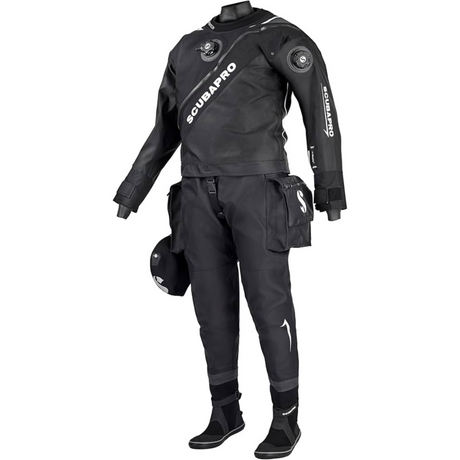
Expedition Grade Drysuits
Stay dry, stay warm. Premium trilaminate and neoprene drysuits for technical and recreational diving in cold environments.




Dive Into Our Expert Insights
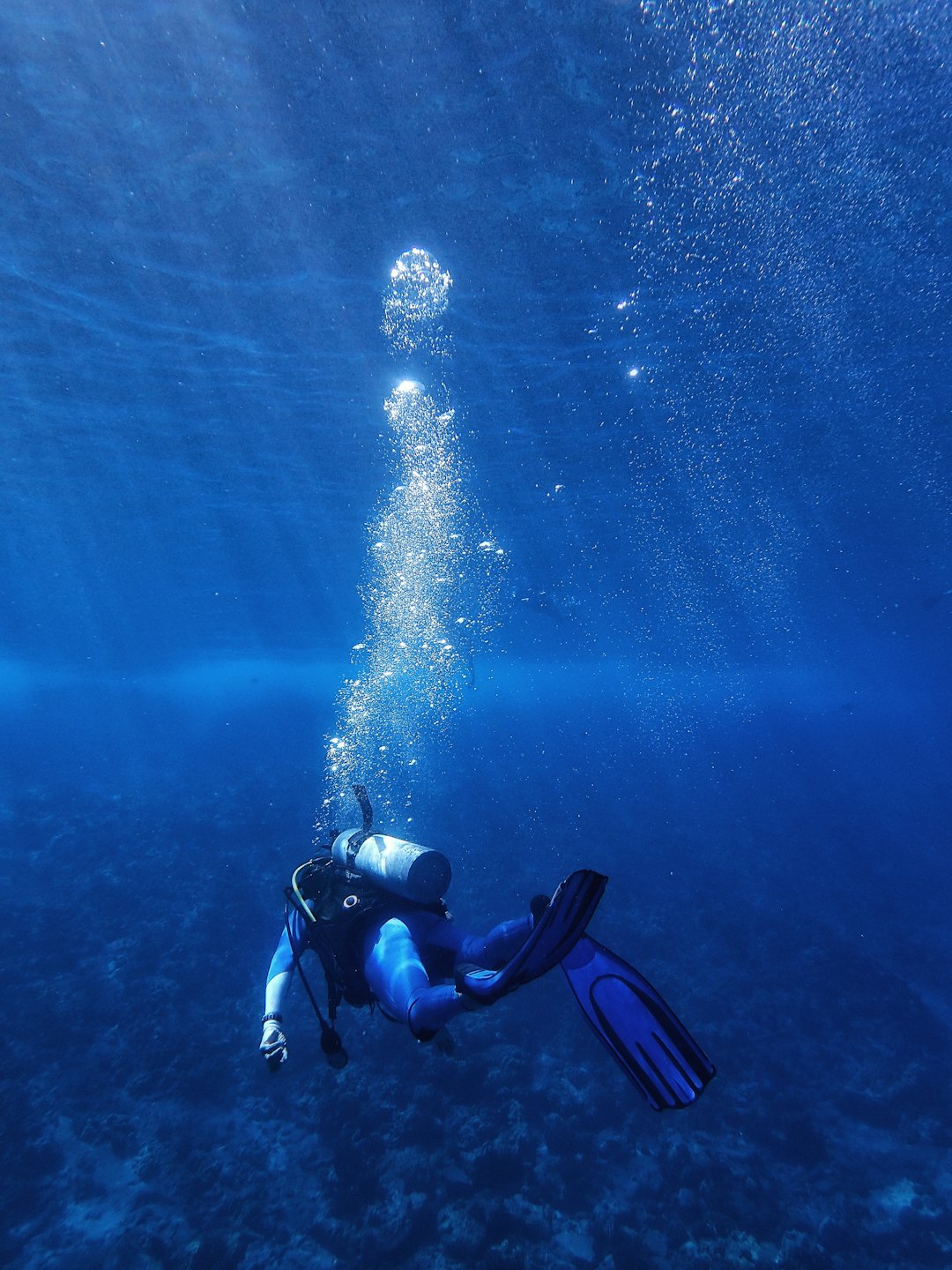
Discover detailed visuals illustrating the key aspects and safety tips of buoyancy control in UK cold-water diving.

Dive Deeper with Us
Discover expert insights and safe diving tips by becoming part of our community.