
Your cart is currently empty!
Harness Comparison
Compare Harness Systems with Confidence
Dive deep into a detailed comparison of Continuous Loop and Break-Point harness systems, focusing on reliability, ease of use, and adaptability to enhance your technical diving experience.
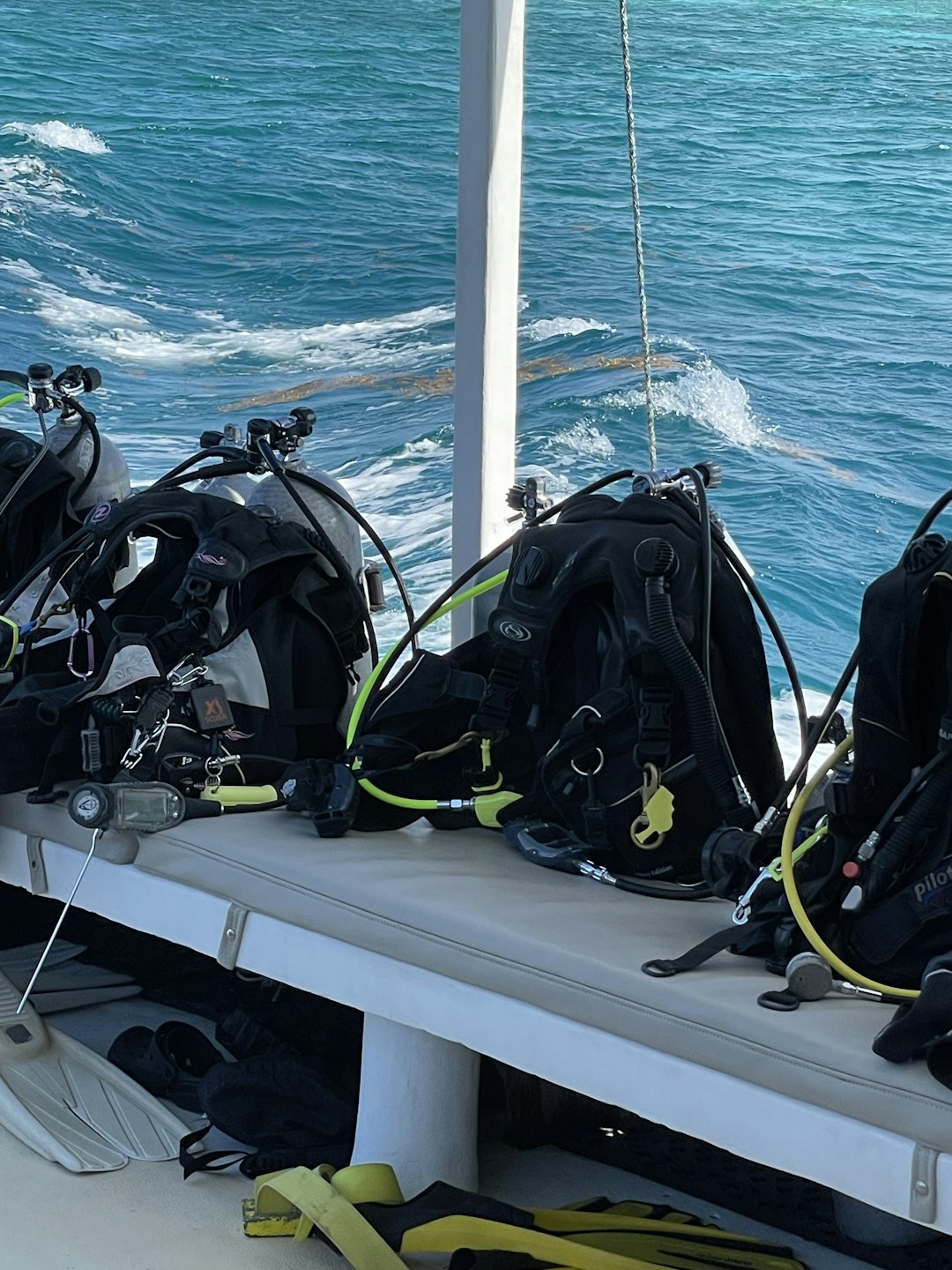
Continuous Loop Harness
Designed for seamless operation, this harness offers unmatched reliability and comfort, ideal for complex diving environments.

Reliability Under Pressure
Ease of Adjustment

Material Durability
Weight Distribution
Suitability for Conditions

Break-Point Harness
A versatile option favored for its modular design, offering quick release features and adaptability in various dive scenarios.
Reliability Under Pressure
Ease of Adjustment
Material Durability
Weight Distribution
Suitability for Conditions
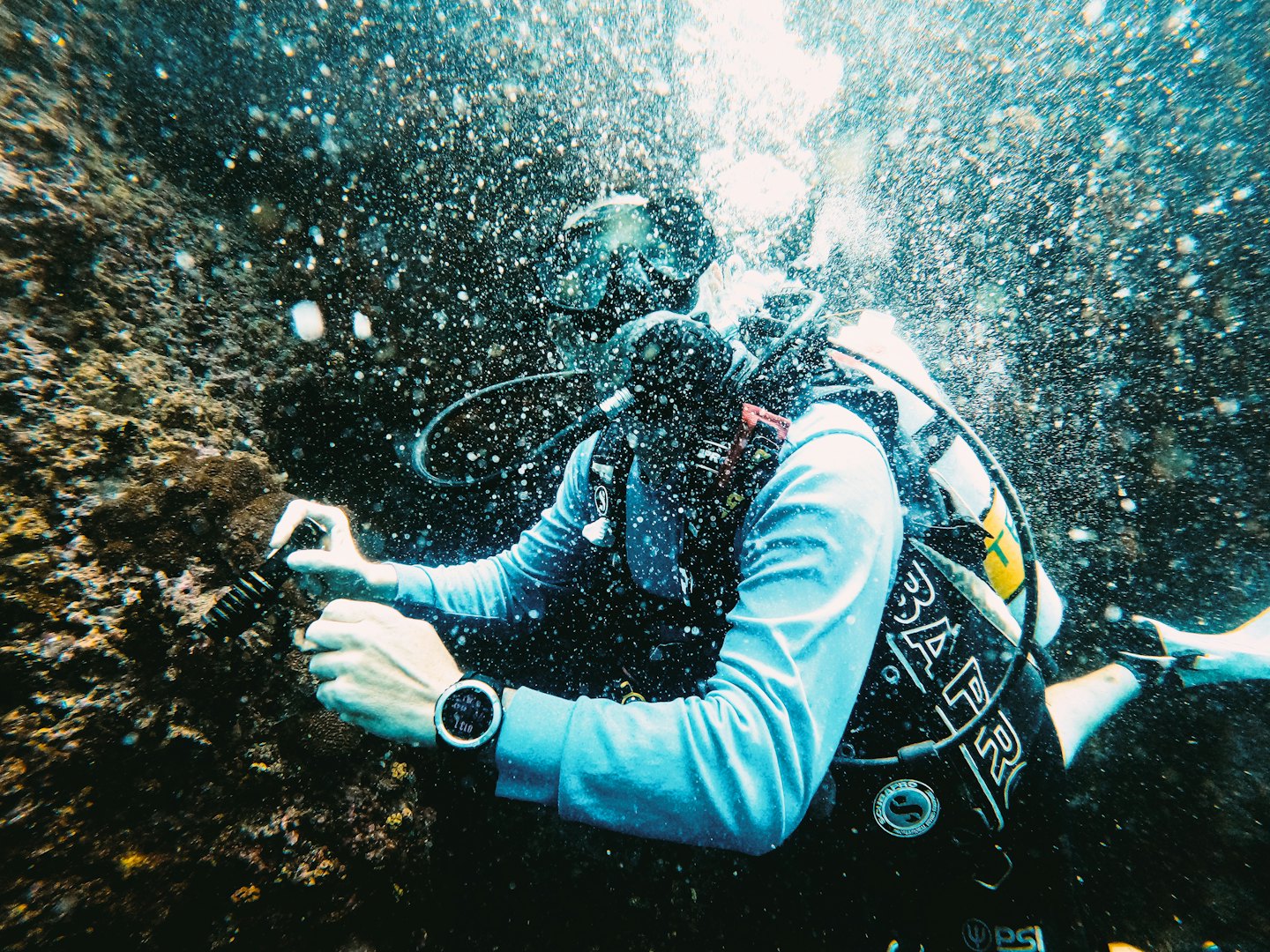
Hybrid Harness System
Combining the strengths of both systems, this harness delivers enhanced safety and comfort for diverse technical dives.
Reliability Under Pressure
Ease of Adjustment
Material Durability
Weight Distribution
Suitability for Conditions
Compare Continuous Loop and Break-Point Harnesses
This section describes the key features briefly.

Continuous Loop System
Offers unmatched reliability with minimal maintenance requirements.
Break-Point System
Designed for quick deployment and easy adaptability underwater.
Key Advantages
Provides greater flexibility in rigging for diverse diving scenarios.
Ease of Use
Simplifies gear management, ideal for both novice and expert divers.

Comparing Continuous Loop and Break-Point Harness Systems
Explore the key differences between harness types, focusing on reliability, ease of use, and adaptability in technical diving.

Continuous Loop Harness Advantages
Discover how the Continuous Loop design offers simplicity, fewer failure points, and seamless integration for technical divers.

Break-Point Harness Benefits
Learn how the Break-Point system allows quick adjustments and enhanced safety through modular components.

Choosing the Right Harness for You
Understand how selecting the appropriate harness improves dive reliability and comfort across varying underwater conditions.
Compare Harness Systems for Technical Diving
Discover the key differences and advantages between Continuous Loop and Break-Point harnesses to enhance your diving safety and performance.
Continuous Loop Harness
Offers robust reliability with minimal adjustments, making it ideal for stable underwater configurations and extended dives.
Break-Point Harness
Provides quick release options that improve emergency response times, suitable for diverse diving conditions and equipment setups.
Adaptability & Comfort
Designed to accommodate various body types and gear arrangements, ensuring comfort without compromising safety during prolonged dives.
Continuous Loop vs. Break-Point Harness
In the technical diving community, the harness debate is often philosophical. The “DIR” (Doing It Right) purists insist on a single piece of webbing, while equipment manufacturers push complex adjustable systems.
For the UK diver wrestling a twinset over a bulky drysuit in a rolling boat, the choice is practical: Do you want maximum reliability or maximum ease of entry?
1. The Continuous Loop (The “Hogarthian” Standard)
A single piece of 2-inch (50mm) nylon webbing threaded through the backplate. No clips, no joins, no stitching.
The Pros:
- Zero Failure Points: A continuous strip of standard stiff nylon webbing has a breaking strength of >2,000kg. It will not snap, pop, or freeze. In a survival scenario, this reliability is non-negotiable.
- Stability: Once adjusted, it does not slip. Your kit stays exactly where you put it, which is critical for maintaining trim with heavy steel cylinders.
- Cost: Replacement cost is ~£15 for 4 meters of webbing.
- Low Profile: No bulky buckles to interfere with drysuit inflate valves or stage bottle clips.
The Cons:
- The “Chicken Wing” Dance: Getting into a fixed harness while wearing a crushed neoprene drysuit and thick undersuits requires flexibility. You have to thread your arms through tight loops.
- Sizing Rigidity: If you switch from a t-shirt (pool training) to a 400g thinsulate (winter diving), you must manually unthread the triglides at the backplate to loosen the straps. It is a 20-minute workshop job, not a boat-deck adjustment.
- Rescue Anxiety: Some divers worry that without a quick-release buckle, they are trapped. ( Counterpoint: In a medical emergency, rescuers will use shears to cut the webbing instantly).
Verdict: The standard for serious technical diving. The learning curve for donning/doffing is worth the elimination of failure points.
2. The Break-Point Harness (Quick-Release / Adjustable)
Systems that incorporate a buckle (plastic or metal) on the shoulder strap to allow the harness to “break” open.
The Pros:
- Donning/Doffing Speed: You can slip into the harness loosely and clip it shut. On a cramped RIB or hardboat lift, unclipping a shoulder allows you to roll out of the set effortlessly without dislocating a shoulder.
- Mobility Friendly: Essential for divers with limited shoulder flexibility or rotator cuff injuries.
- On-the-Fly Adjustment: Many systems (like the “cinch” style) allow you to tighten the harness by pulling the waist belt, accommodating different undersuit thicknesses instantly.
The Cons:
- The “Weak Link”:
- Plastic Buckles: Standard acetal (Delrin) buckles become brittle in cold water. If a 1-inch plastic clip takes the load of a 40kg twinset during a boat exit, it can snap.
- Metal Breaks: Even stainless steel breaks introduce a wear point where webbing can fray.
- Clutter: A buckle on the shoulder sits exactly where your backup light or stage bottle clip needs to be. It reduces usable “real estate” on the chest.
- Slippage: Adjustable systems often loosen slightly when wet, causing the tanks to sag during the dive.
Verdict: Acceptable for recreational/light tech, or divers with specific medical mobility needs. Generally avoided for overhead/cave environments where equipment failure is not an option.
Comparison: The Failure Analysis
| Feature | Continuous Loop | Break-Point (Plastic/Metal) |
| Breaking Strength | >2,000kg (Webbing Tensile Limit) | 50kg – 200kg (Buckle Load Limit) |
| Failure Mode | None (Webbing must be cut) | Buckle snaps / Spring fails |
| Simplicity | High (1 part) | Low (Springs, pins, clips) |
| Ease of Exit | Difficult (Requires technique) | Easy (Unclip and roll) |
| Chest Clutter | Minimal (Clean D-Rings) | High (Buckles occupy space) |
💡 Pro Tip: The “Third Way” (The Cinch System)
If you want the stability of a continuous loop but the ease of getting out, look for a sliding backplate adapter (like the Halcyon Cinch or similar generic versions).
- How it works: The webbing is continuous (no buckles to break), but it passes through a specialized mold on the backplate that allows it to slide.
- The Result: You can loosen the shoulders to get out, then pull the waist belt tight to lock it in for the dive. It offers the safety of a continuous harness with the convenience of an adjustable one.
Technical Harnesses & Backplates
Modular foundations for your technical diving rig. Configurable, robust, and reliable.


Diver Testimonials and Experiences
Read firsthand accounts from divers who trust our expertise and value our commitment to quality gear and service.

“The team at UK DIVE STORE made selecting the perfect harness system straightforward and stress-free. Their knowledge truly sets them apart.”

Samantha Clarke
Technical Diving Instructor
“Reliable advice and top-notch equipment ensured my dives were safe and comfortable. Highly recommended for serious divers!”

Mark Benson
Professional Dive Guide
“The continuous loop harness I purchased has exceeded expectations, providing excellent fit and durability on every dive.”

Emily Foster
Advanced Technical Diver