
Your cart is currently empty!
Steel vs Aluminium Backplates
Steel vs Aluminium Backplates
Understand the key differences between steel and aluminium backplates, including buoyancy, durability, and suitability for UK diving conditions to make an informed choice.

Steel Backplates
Durable and heavy, steel backplates provide excellent ballast and long-lasting performance, ideal for colder UK waters and extended dives.

Weight and Buoyancy
Corrosion Resistance

Durability
Price Point
Suitability for UK Waters

Aluminium Backplates
Lightweight and corrosion-resistant, aluminium backplates offer ease of handling and are great for warmer UK dive sites with less ballast needs.
Weight and Buoyancy
Corrosion Resistance
Durability
Price Point
Suitability for UK Waters

Summary Comparison
A quick overview comparing steel and aluminium backplates to help divers select the best option based on their diving style and environment.
Buoyancy Impact
Maintenance Requirements
Longevity
Cost Efficiency
Best Use Cases
Steel vs Aluminium: Dive Gear Insights
Discover how steel and aluminium backplates impact your dive experience.
Steel Backplates
Robust and heavy, steel backplates offer superior ballast and durability.
Aluminium Backplates
Lightweight and corrosion-resistant, ideal for warm water diving.
Choosing the Right Material
Consider your buoyancy needs and dive conditions before deciding.
Weight and Buoyancy
Steel adds more weight, helping achieve neutral buoyancy efficiently.
Durability and Maintenance
Steel requires upkeep but lasts longer; aluminium is low maintenance but less strong.
Choosing Between Steel and Aluminium Backplates
Explore the key differences in buoyancy, strength, and corrosion resistance to find the ideal backplate for UK diving conditions.

Advantages of Steel Backplates
Steel backplates offer superior durability and negative buoyancy, enhancing stability and control underwater.

Benefits of Aluminium Backplates
Aluminium backplates are lightweight and corrosion-resistant, making them easier to handle and maintain.

Which Backplate Suits Your Dive Style?
Consider your typical dive environments and gear setup to choose the backplate that best complements your needs.
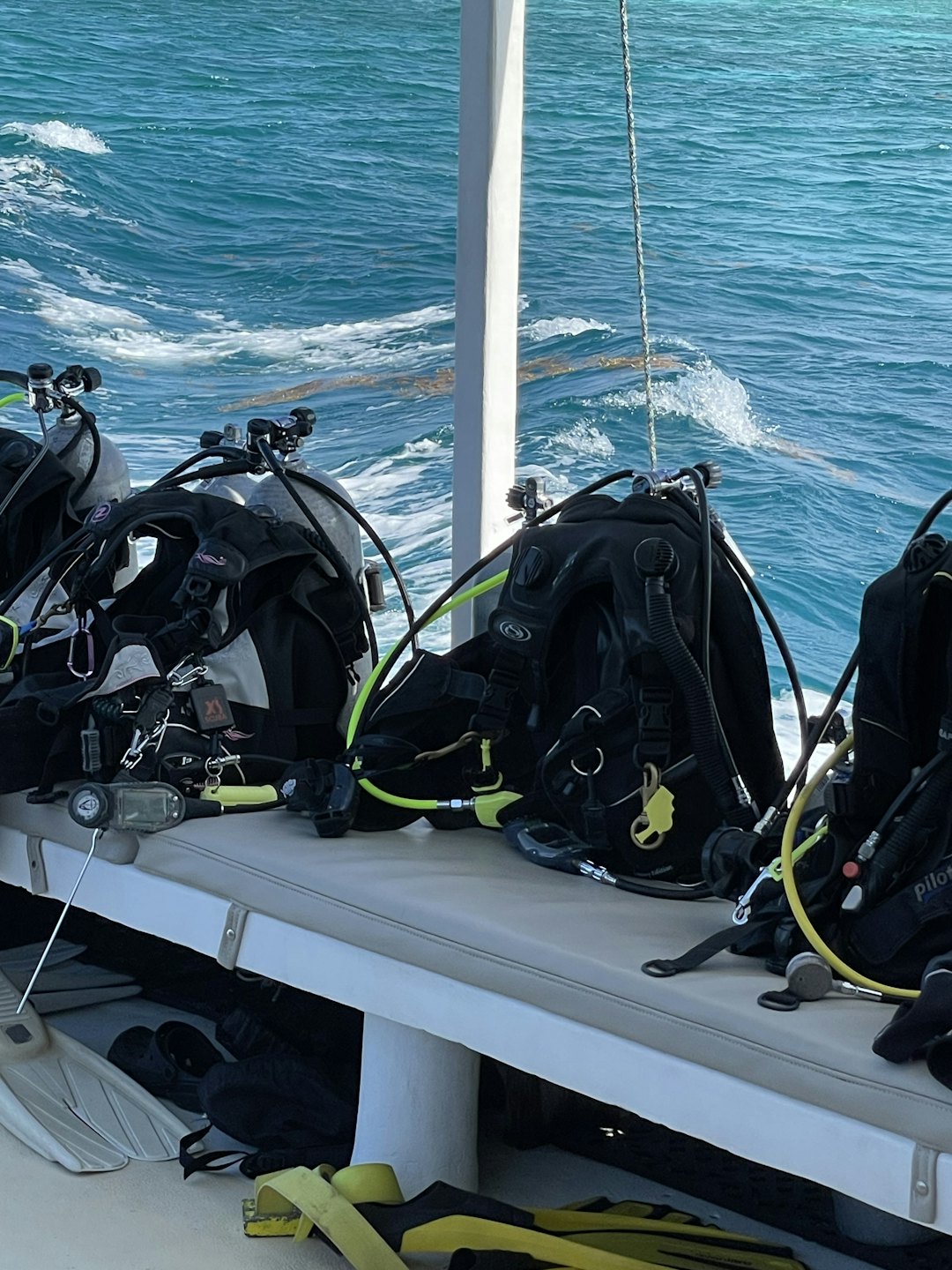
Steel vs Aluminium Backplates
Explore the advantages and considerations of steel and aluminium backplates in UK scuba diving equipment.

Steel Backplates
Understand the durability and buoyancy benefits of steel backplates for UK diving conditions.
Aluminium Backplates
Learn about lightweight aluminium options and their suitability for different dive environments.
Choosing the Right Material
Get insights on selecting between steel and aluminium based on your diving needs.
Steel vs. Aluminium Backplates
For the recreational diver, the BCD is a single unit. For the technical diver, the backplate is the chassis upon which the entire life-support system is built.
The choice between Steel and Aluminium is not simply a matter of price; it is a calculation of buoyancy characteristics (trim) versus logistics (travel). In the context of UK diving—thick undergarments, drysuits, and twinsets—this choice defines your comfort in the water.
1. Stainless Steel: The UK Workhorse
If you are diving a drysuit in the UK, Stainless Steel is the default choice.
- The Ballast Benefit: A standard 3mm stainless steel backplate weighs approximately 2.2kg – 2.5kg (negative in water). This places nearly 3kg of required ballast directly along your spine (your center of gravity).
- The Comfort Factor: By moving this weight to the plate, you can remove 3kg of lead from your waist belt. This reduces lower back strain and prevents the “bruised hips” common with heavy twinset rig diving.
- Stability: The mass of the steel plate acts as a keel, stabilizing heavy twin cylinders (Twin 12s) and preventing the rig from feeling top-heavy.
The downside? Excess baggage fees. Flying with a steel plate eats up 10-15% of your luggage allowance.
2. Aluminium: The Travel Specialist
Aluminium plates are designed for the diver heading to Truk Lagoon or the Red Sea in a wetsuit, or for specific sidemount configurations.
- The Weight: An aluminium plate weighs approximately 0.7kg – 0.9kg. It is barely negative in water.
- The Wetsuit Reality: If you dive a steel plate with a thin wetsuit (e.g., 3mm), you might be over-weighted even with no lead on your belt. Aluminium allows you to shed that weight.
- Durability: Aluminium is softer. Over years of hard wreck diving, the holes for the bolts can elongate (ovalize) if the wing nuts are overtightened, and the anodized coating will eventually scratch off, leading to oxidization (white powder corrosion).
3. Material Science: The “Marine Grade” Truth
Not all metal is created equal. The UK market is flooded with cheap internet imports made of lower-grade alloys that rust within weeks.
The Spec: AISI 316 vs. 304
- AISI 304 (A2): Common “Kitchen Sink” stainless.1 It resists fresh water but will rust in saltwater. It is magnetic.
- AISI 316 (A4): The true “Marine Grade.”2 It contains Molybdenum, which drastically increases corrosion resistance to chlorides (salt).3 It is non-magnetic.
- The Test: If a magnet sticks to your backplate or D-ring, it is not 316 grade. It will rust.
Breaking Strength & Deformation
For technical diving, we look at Deformation Load (when it bends) vs. Breaking Load (when it snaps).
- D-Rings: A welded 316 Stainless D-ring (6mm wire gauge) has a breaking strength exceeding 1,000kg.
- Billy/Clip Rings: Cheap, un-welded D-rings can pull open under the load of a stage cylinder (approx. 10kg in air, but high dynamic load if caught on a wreck). Always ensure D-rings are welded.
Summary Comparison: Which Plate for the UK?
| Feature | Stainless Steel (3mm) | Aluminium (Hard Anodized) |
| Dry Weight | ~2.5kg | ~0.8kg |
| Buoyancy | Highly Negative (Sinks) | Neutral / Slightly Negative |
| Best For | UK Drysuit / Twinset | Travel / Single Tank Wetsuit |
| Waist Comfort | Excellent (Removes lead from belt) | Poor (Requires more lead on belt) |
| Durability | Bombproof (Lasts decades) | Medium (Coating scratches, holes wear) |
| Corrosion | None (if 316 Grade) | Oxidizes if coating breached |
💡 Pro Tip: The “V-Weight” Solution
If you switch between a single tank (summer) and twinset (winter), or if a 6mm steel plate is still not enough weight:
- Don’t buy a heavier plate.
- Buy a V-Weight. This is a lead wedge that bolts into the central channel of the backplate, between the twin cylinders. It adds 2kg–4kg of non-ditchable weight exactly where you need it for trim, and you can remove it in 2 minutes for travel.
Dive Deeper Into the Debate
Discover the key differences between steel and aluminium backplates to enhance your diving experience.