Compare BCD Styles to Suit Your Dive
Dive into a clear, focused comparison of Jacket Style (ADV) and Back Inflation (Wing) BCDs, tailored to UK cold-water diving needs.

Jacket Style (ADV) BCD
A versatile BCD offering excellent surface stability and comfort, ideal for UK divers seeking reliable buoyancy control.

Surface Stability & Comfort
Underwater Trim & Buoyancy

Insulation & Cold-Water Suitability
Ease of Use & Maintenance
Best Use Cases

Back Inflation (Wing) BCD
Designed for technical precision and streamlined trim, perfect for experienced divers in chilly UK waters.
Surface Stability & Comfort
Underwater Trim & Buoyancy
Insulation & Cold-Water Suitability
Ease of Use & Maintenance
Best Use Cases

Hybrid BCD Options
Combining features from both styles, these BCDs offer adaptability and enhanced performance for UK cold-water dives.
Surface Stability & Comfort
Underwater Trim & Buoyancy
Insulation & Cold-Water Suitability
Ease of Use & Maintenance
Best Use Cases
Comparing ADV and Wing BCDs for UK Cold-Water Diving
Jacket Style BCD Advantages
Explore how jacket style BCDs offer superior surface stability and ease of use in chilly UK waters.
Back Inflation (Wing) BCD Benefits
Discover how wing BCDs provide excellent underwater trim and comfort, ideal for technical diving.
Making the Right Choice
Understand the pros and cons of each BCD type to select the best fit for your diving style and conditions.
The Heavy Lifters: BCDs for UK Steel & Cold Water
Pros & Cons: Back Inflation vs. Jacket Style (ADV)
When you learned to dive in the Red Sea or the Mediterranean, you almost certainly wore a Jacket Style (ADV) BCD. It wrapped around you like a comforting hug.
However, moving to UK diving—with heavy steel tanks, thick undersuits, and drysuits—changes the physics of buoyancy. That “hug” becomes a constricting squeeze, and that comfortable armchair position turns into a drag-heavy “seahorse” trim.
Here is the breakdown of why many UK divers eventually migrate to Back Inflation.
1. The Jacket Style (ADV)
The Floating Armchair.
Air is distributed around the waist and up over the shoulders.
The Pros:
- Surface Stability: In choppy UK seas (Force 3-4), waiting for the hardboat lift can be nauseating. A jacket BCD naturally holds you vertical and head-up, keeping your face out of the waves with zero effort.
- Familiarity: It is intuitive. If you panic, it feels secure.
- Integrated Storage: Huge pockets are standard (though often hard to access when the BCD is fully inflated).
The Cons:
- The “Cold Squeeze”: This is the dealbreaker for winter diving. When you inflate a jacket to offset 14kg of lead, the bladder expands inwards, crushing your chest. This compresses your undersuit (killing the insulation value) and restricts your breathing.
- The “Seahorse” Trim: Because the air is wrapped around your torso, it doesn’t help lift your hips. With heavy steel tanks and heavy fins, your legs drop, dragging you through the silt.
- Front Clutter: Bulky pockets and cummerbunds make it harder to reach drysuit hose disconnects or manipulate stage cylinders.
Verdict: Good for Beginners / Shore Diving. Acceptable if you struggle with surface stability, but limits your progression into technical or twinset diving.
2. Back Inflation (Wing / Backplate)
The Precision Tool.
Air is contained entirely in a bladder behind your back. The front harness is just webbing.
The Pros:
- Perfect Trim: The lift is located exactly where the weight of the cylinder is. This acts as a lever, lifting your hips and keeping you perfectly horizontal. In a drysuit (where air migrates to the feet), this balance is critical.
- Zero Squeeze: You can fully inflate the wing at the surface, and your chest straps remain loose. Your undersuit stays lofted (warm), and your lungs can expand fully.
- Clean Front Profile: With no bulk on your chest, you have clear access to your drysuit inflate valve, backup lights, and eventually, stage bottles.
The Cons:
- The Surface “Face Plant”: The biggest complaint from new users. Because the air is behind you, it wants to rotate you face-forward on the surface.
- The Fix: You cannot just float; you must lean back slightly, like relaxing in a recliner chair.
- Lack of Pockets: You lose the BCD pockets. You must upgrade to Tech Shorts or drysuit pockets to carry your slate and spool.
Verdict: The UK Standard. Once you master the surface balance, the benefits of warmth (no squeeze) and trim make this superior for cold-water diving.
Summary Comparison
| Feature | Jacket Style (ADV) | Back Inflation (Wing) |
| Surface Stability | Excellent (Heads up) | Low (Requires technique) |
| Underwater Trim | Poor (Legs drop) | Excellent (Horizontal) |
| Chest Comfort | Low (Squeezes chest) | High (No restriction) |
| Warmth | Compresses undersuit | Maintains Loft |
| Drag | High (Bulky profile) | Low (Streamlined) |
| Twinset Ready? | No (Usually) | Yes |
💡 Pro Tip: The “Semi-Wing” Hybrid
If you are terrified of the “Face Plant” but hate the “Chest Squeeze,” look for Hybrid Back-Inflate BCDs (like the Apeks Black Ice or Scubapro Hydros Pro).
- How they work: They keep 90% of the air on the back for trim, but have small air pockets near the hips to stabilize you on the surface.
- The Trade-off: They are bulky and expensive compared to a simple backplate system.
Compare Jacket Style and Back Inflation BCDs
This section describes the key features briefly.

Surface Stability
Jacket BCDs offer superior buoyancy at the surface, ideal for cold UK waters.
Underwater Trim
Back Inflation BCDs provide better horizontal trim for streamlined diving.
Technical Diving Suitability
Back Inflation models excel in technical dives with enhanced mobility.
Compare Jacket Style and Wing BCDs
Explore an in-depth comparison of Jacket Style (ADV) and Back Inflation (Wing) BCDs, focusing on their performance in UK cold-water diving conditions to guide your equipment choice.
Surface Stability
Understand how each BCD type offers stability on the water’s surface, a crucial factor for cold UK dives.
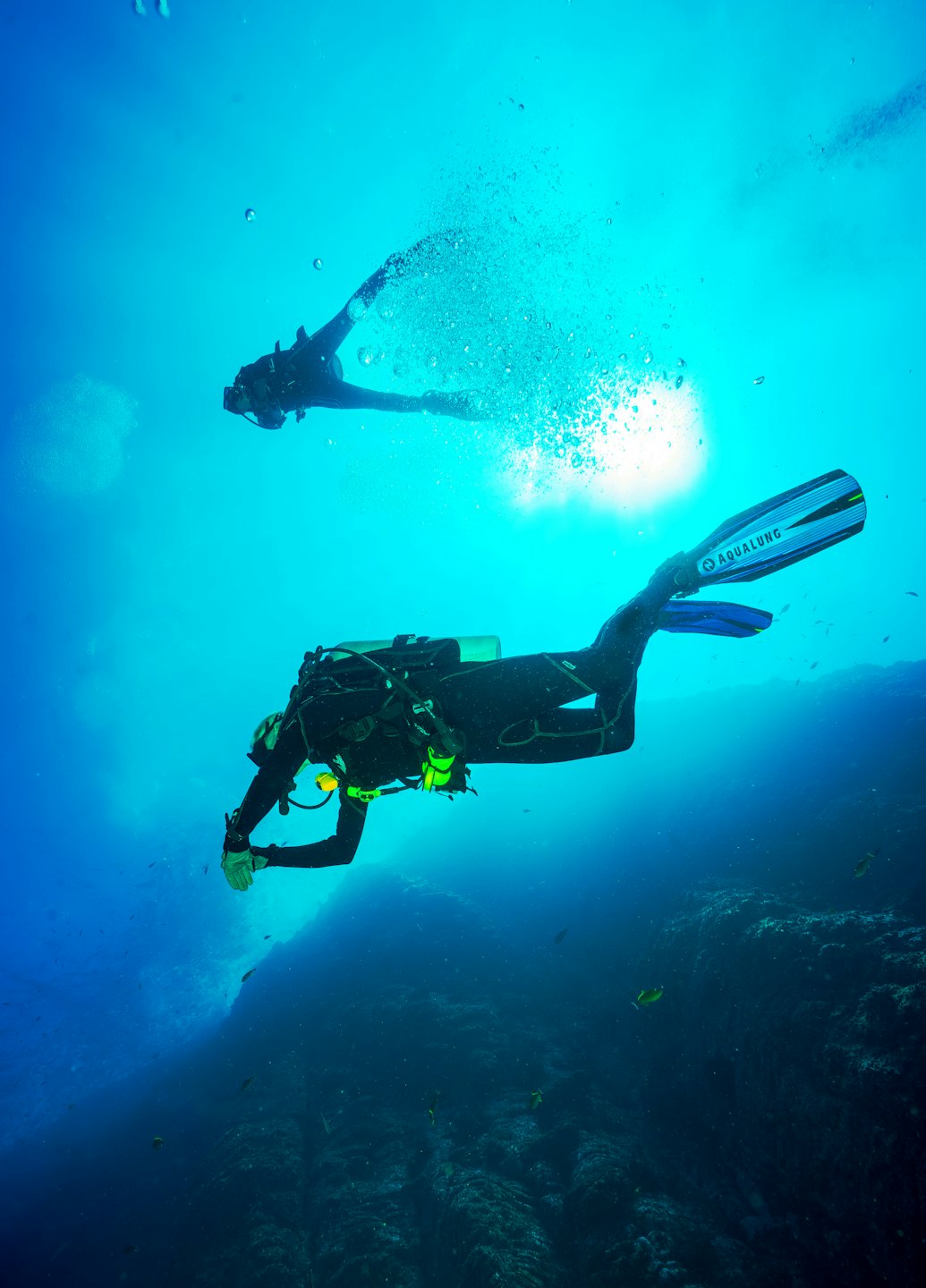
Underwater Trim
Examine how these BCD styles affect your underwater positioning and streamlined movement.

Comfort & Technical Use
Assess comfort levels and suitability for technical diving in UK’s chilly waters with each BCD style.
Discover the Best UK Dive Gear
Dive into expert insights and stay updated on UK cold-water diving essentials.